 crtvai
A new version of OpenAI’s AI model just dropped and it’s not just smart, it’s visually brilliant.
The recently released GPT-4o (the “o” stands for “omni”) includes a powerful new image generation feature, and the internet is already feeling the effects. Social media is now flooded with ultra-detailed, stylized AI art that blurs the line between real design and machine-made magic.
What Makes GPT-4o’s Image Generator Special?
Unlike most AI image tools, GPT-4o takes a completely new approach. Instead of using “diffusion” (the standard method for AI art like MidJourney or Stable Diffusion), GPT-4o builds each image pixel-by-pixel, just like it generates text.
This creates images that are:
Text-perfect: For the first time, AI can generate designs with actual readable, usable text.
Character-consistent: Artists can generate the same character in multiple poses or settings a huge win for storytelling and branding.
Style-flexible: Want anime, 3D, comic book, or photorealism? It can do it all fast.
Transparency-aware: It even handles transparent backgrounds and elements correctly, which is rare in AI tools.
The Creative World Reacts
Designers, marketers, content creators everyone’s taking notice.
For solo creators and small teams, this tool means fewer hours in design software, and more output with less effort. Infographics, comic strips, posters, thumbnails, and concept art can now be AI-assisted or even AI-led.
But it’s not all applause. Critics argue that the explosion of AI art is overwhelming real human creativity, and it’s hard to tell what’s made by a person anymore.
Every Image Has a Hidden Mark
GPT-4o images come with an invisible C2PA watermark, which stores data like:
Who created the image
What AI tool was used
Whether it was edited
This aims to fight misinformation and image misuse. But it also raises concerns about privacy and creative freedom, especially as big platforms like YouTube and Steam now require creators to disclose if AI was used.
What This Means for Your Business
AI-generated visuals are no longer "nice-to-haves." They’re quickly becoming standard tools in design, advertising, and content creation.
Your creative team could save hours or even days per project. But it’s also time to set clear policies on disclosure, authenticity, and brand alignment.
The design world just changed and it’s not going back.
You might also like
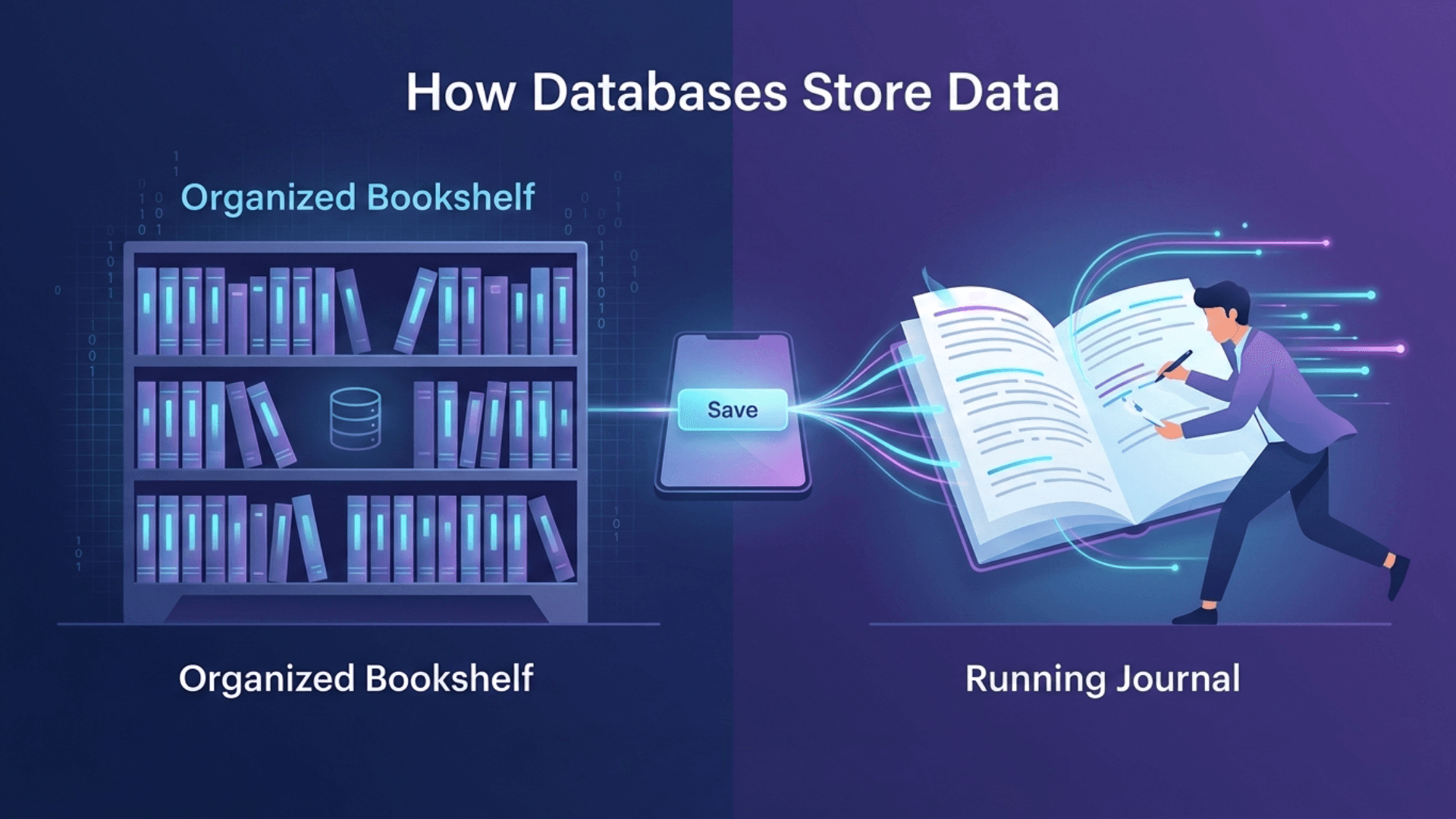
Database Storage Explained: B-Trees, LSM Trees & How Your Data Gets Saved
When you press Save, where does your data actually go? Learn how databases store information using two simple approaches — the Organized Bookshelf and the Running Journal. Easy words, real examples, no tech knowledge needed.
The Most Dangerous AI Agent on the Internet And Why 200,000 People Still Use It
An AI tool that connects to your WhatsApp, email, and files is taking over the internet. But security experts just found something alarming inside it.
What is RAG? How OpenRAG Gives AI the Right Answers
AI can't answer business questions it was never trained on. RAG fixes that. See how OpenRAG uses your own data to give accurate, real answers free and easy to set up.
Enjoy this article?
Subscribe to our newsletter to get more insights on technology, design, and the future of digital innovation.
CRTVAI
Unlock AI's full potential with expert insights from leading software innovators. Subscribe for exclusive content on ChatGPT integration, custom development solutions, and transformative technologies that deliver measurable business results.
Popular Posts
Claude Opus 4.6 vs GPT‑5.3-Codex,Two Powerful AI Models Launch on the Same Day

10 AI Companies Shaping the Future of the Middle East in 2025
Meta’s Llama AI Gains Approval for Use in US Federal Agencies