 crtvai
9 Coding Tricks That Sound Clever But Just Waste Your Time

At our company, we’re constantly exploring ways to improve how we write and maintain software. But over time, we’ve discovered a surprising truth: some of the most “smart-sounding” advice in programming can actually slow you down and steer you in the wrong direction.
If you're diving into a coding bootcamp, studying for cyber security certifications, or taking a data science course, understanding how to recognize time-wasting programming habits is crucial. Let’s break down 9 common programming myths and what to do instead.
1. You Always Need the Latest Technology
New frameworks, languages, and libraries pop up every week. It’s tempting to chase the latest tools to stay "ahead."
Reality: Most real-world companies still rely on well-established technologies like PHP, Java, and SQL. These tools are mature, widely supported, and power much of the web today.
Better approach: Stay updated, but don’t abandon foundational tech. Whether you’re in a cyber security course or learning full-stack development, mastering core tools is often more valuable than learning what’s trending.
2. There’s Only One “Right” Way to Write Code
Some developers swear by object-oriented programming. Others insist functional programming is superior.
Reality: There’s no one-size-fits-all. Every project has unique needs.
Better approach: Use what works. Blending different coding paradigms when appropriate often produces better results.
3. Clean Code Is Always the Priority
Writing clean, well-structured code is great. But when it becomes the main goal, productivity can suffer.
Reality: Excessive refactoring or naming perfectionism can delay important features.
Better approach: Focus on working code first. Clean it later, especially after your solution is tested and stable. Many Google certification courses emphasize efficiency over elegance for this very reason.
4. DRY (Don’t Repeat Yourself) at All Costs
DRY is a cornerstone of good coding but misused, it can overcomplicate your codebase.
Reality: Trying too hard to remove repetition too early makes code less readable and harder to maintain.
Better approach: Embrace some repetition at first. If it becomes a pain point, then refactor.
5. 100% Test Coverage = Safe Code
Testing is essential. But chasing perfect test coverage doesn’t always mean your app is bug-free.
Reality: Some tests just validate trivial code without improving quality.
Better approach: Focus on writing meaningful tests that catch actual issues especially those affecting security, scalability, or user experience. This is a common principle in cyber security certifications and quality engineering programs.
6. Always Optimize for Speed
Fast code sounds good but optimizing prematurely wastes valuable development time.
Reality: Most applications don’t need micro-optimizations until they grow.
Better approach: First, make it work. Then measure real-world performance. Optimize when needed, not before.
7. Build for Scale from Day One
It might seem smart to prepare your app for millions of users from day one.
Reality: Most products never reach massive scale and early complexity increases maintenance costs.
Better approach: Start small with simple infrastructure. Move to cloud scaling or advanced architecture only when growth demands it.
8. Relying Too Much on AI Coding Tools
AI tools like Copilot or ChatGPT can speed up development but they’re not perfect.
Reality: Over-relying on AI may cause you to miss errors, bloat your code, or lose critical thinking skills.
Better approach: Use AI as a support tool. Still write code with intent, especially if you're studying in a data analyst course or preparing for technical interviews.
9. Ignoring the Fundamentals
Frameworks and libraries come and go. Fundamentals like algorithms, data structures, and system design remain timeless.
Reality: Weak foundations lead to shallow understanding and poor code.
Better approach: Invest time in problem-solving, core programming concepts, and system thinking. This is a key part of every solid data science course or Google certification course.
Final Thoughts
The tech world is full of trends, buzzwords, and "best practices" but not all advice is equal. Whether you're attending a coding bootcamp, earning a cyber security certification, or diving into a data analyst course, remember this: the smartest thing you can do is build software that solves real problems.
You might also like
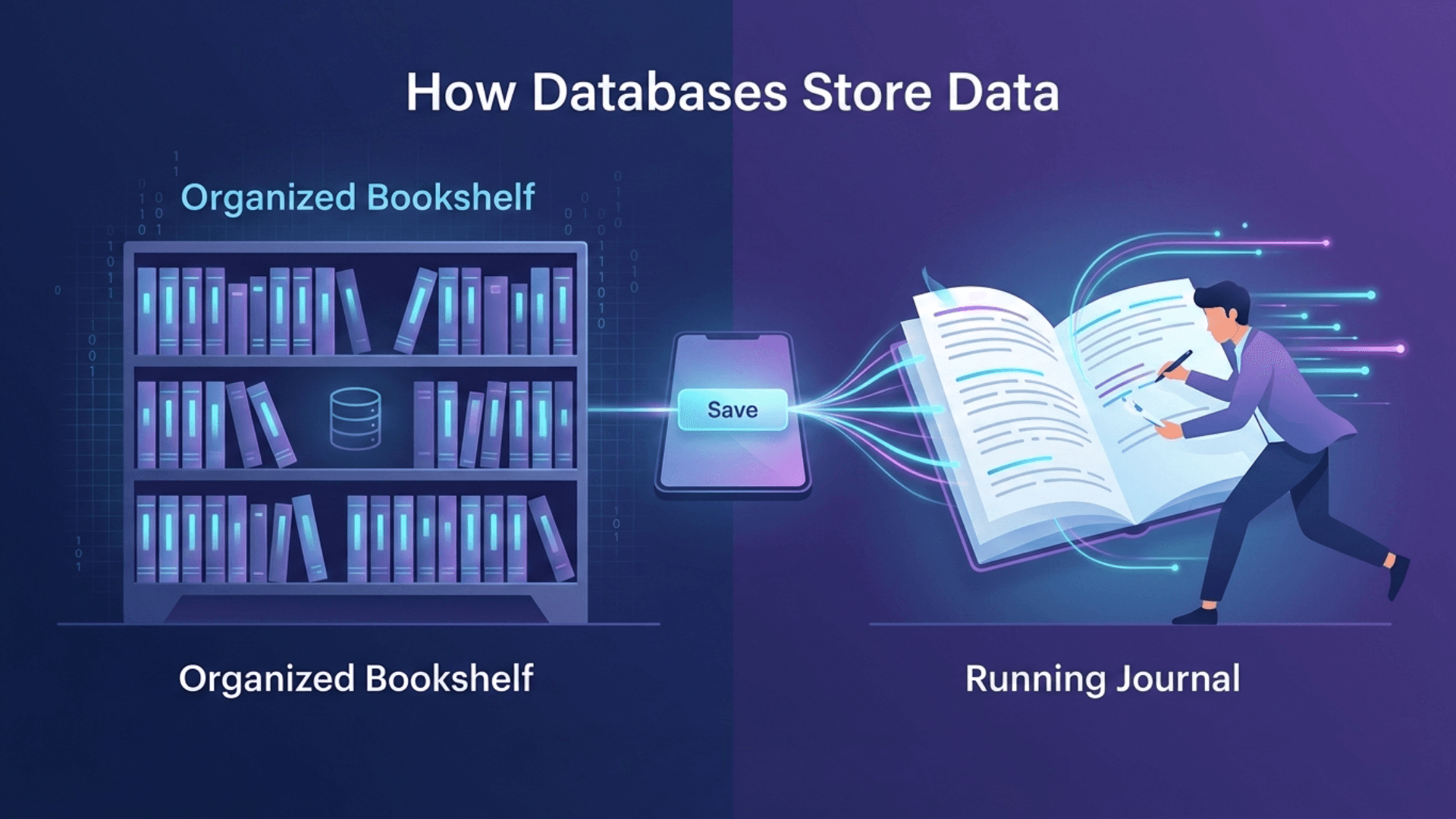
Database Storage Explained: B-Trees, LSM Trees & How Your Data Gets Saved
When you press Save, where does your data actually go? Learn how databases store information using two simple approaches — the Organized Bookshelf and the Running Journal. Easy words, real examples, no tech knowledge needed.
The Most Dangerous AI Agent on the Internet And Why 200,000 People Still Use It
An AI tool that connects to your WhatsApp, email, and files is taking over the internet. But security experts just found something alarming inside it.

What is RAG? How OpenRAG Gives AI the Right Answers
AI can't answer business questions it was never trained on. RAG fixes that. See how OpenRAG uses your own data to give accurate, real answers free and easy to set up.
Enjoy this article?
Subscribe to our newsletter to get more insights on technology, design, and the future of digital innovation.
CRTVAI
Unlock AI's full potential with expert insights from leading software innovators. Subscribe for exclusive content on ChatGPT integration, custom development solutions, and transformative technologies that deliver measurable business results.
Popular Posts

Claude Opus 4.6 vs GPT‑5.3-Codex,Two Powerful AI Models Launch on the Same Day

10 AI Companies Shaping the Future of the Middle East in 2025

Meta’s Llama AI Gains Approval for Use in US Federal Agencies