 crtvai
How Uber Handles Billions of Transactions Without Failing

In the world of ridesharing, payment reliability is non-negotiable. For Uber, processing billions of dollars across millions of daily rides globally, creating a foolproof payment system was essential. Here's how they revolutionized their financial infrastructure.
From Simple Startup to Global Payment Challenges
Uber's initial payment system worked fine when small, but quickly became overwhelmed by:
Millions of daily rides worldwide
Hundreds of payment methods across countries
Billions in financial transactions
The result? Delayed payments, missing transactions, and frustrated drivers. A complete overhaul became necessary.
The Ledger Approach: Ancient Wisdom Meets Modern Tech
Uber's solution came from traditional accounting: the double-entry ledger system. This ensures:
Every transaction is permanent and unchangeable
Money only moves between accounts, never disappears
All transactions balance perfectly to zero
For example, a $20 ride splits with $18 to the driver and $2 to Uber, maintaining perfect balance.
Building LedgerStore: Uber's Financial Foundation
Uber created LedgerStore, a specialized layer that ensures all financial records are:
Immutable: Once recorded, never altered
Sealed: Locked after a set period
Secure: Only authorized systems can create entries
Verifiable: Proof against tampering
This infrastructure, combined with Apache Kafka for real-time processing, allows Uber to handle continuous transactions 24/7 across every time zone with confidence.
The Migration Challenge: 250 Billion Records
Perhaps most impressive was moving 250 billion existing records without disruption. Uber accomplished this by:
Breaking the migration into manageable chunks
Processing segments independently
Verifying completion before moving forward
Implementing the "Shadow Rider" system that processed payments through both old and new systems simultaneously
Finding Specific Transactions Instantly
With trillions of transactions, Uber implemented sophisticated indexing:
Strongly consistent indexes for critical operations
Eventually consistent indexes for less time-sensitive information
Time-range indexes for historical lookups
The Invisible Technology Behind Your Ride
Next time you request an Uber, remember the sophisticated system working behind the scenes ensuring drivers receive accurate payment every time while handling billions of transactions flawlessly.
For Uber, this wasn't just a technical achievement but a commitment to the millions of drivers who depend on the platform for their livelihoods.
You might also like
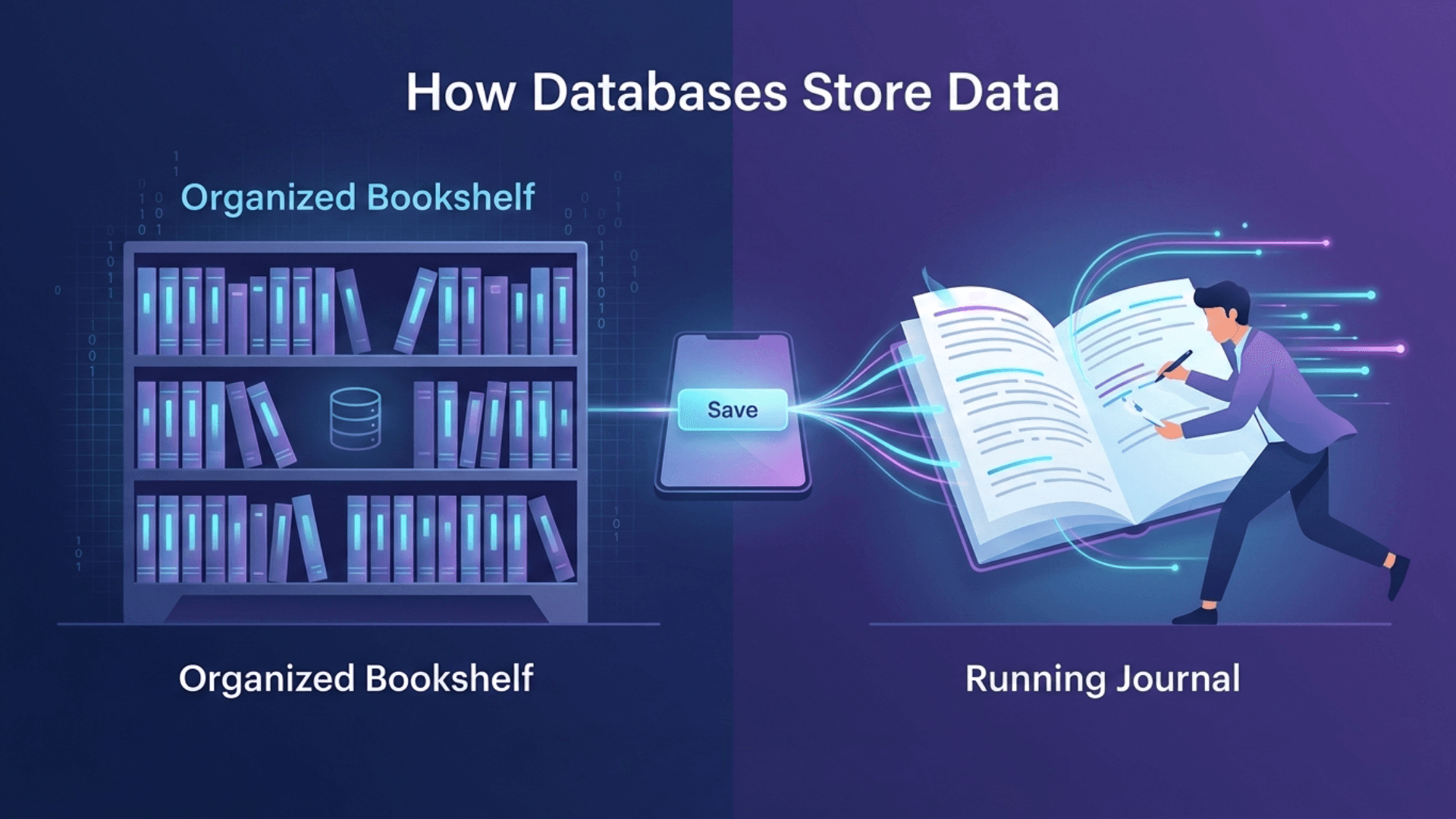
Database Storage Explained: B-Trees, LSM Trees & How Your Data Gets Saved
When you press Save, where does your data actually go? Learn how databases store information using two simple approaches — the Organized Bookshelf and the Running Journal. Easy words, real examples, no tech knowledge needed.

The Most Dangerous AI Agent on the Internet And Why 200,000 People Still Use It
An AI tool that connects to your WhatsApp, email, and files is taking over the internet. But security experts just found something alarming inside it.

What is RAG? How OpenRAG Gives AI the Right Answers
AI can't answer business questions it was never trained on. RAG fixes that. See how OpenRAG uses your own data to give accurate, real answers free and easy to set up.
Enjoy this article?
Subscribe to our newsletter to get more insights on technology, design, and the future of digital innovation.
CRTVAI
Unlock AI's full potential with expert insights from leading software innovators. Subscribe for exclusive content on ChatGPT integration, custom development solutions, and transformative technologies that deliver measurable business results.
Popular Posts

Claude Opus 4.6 vs GPT‑5.3-Codex,Two Powerful AI Models Launch on the Same Day

10 AI Companies Shaping the Future of the Middle East in 2025

Meta’s Llama AI Gains Approval for Use in US Federal Agencies