 crtvai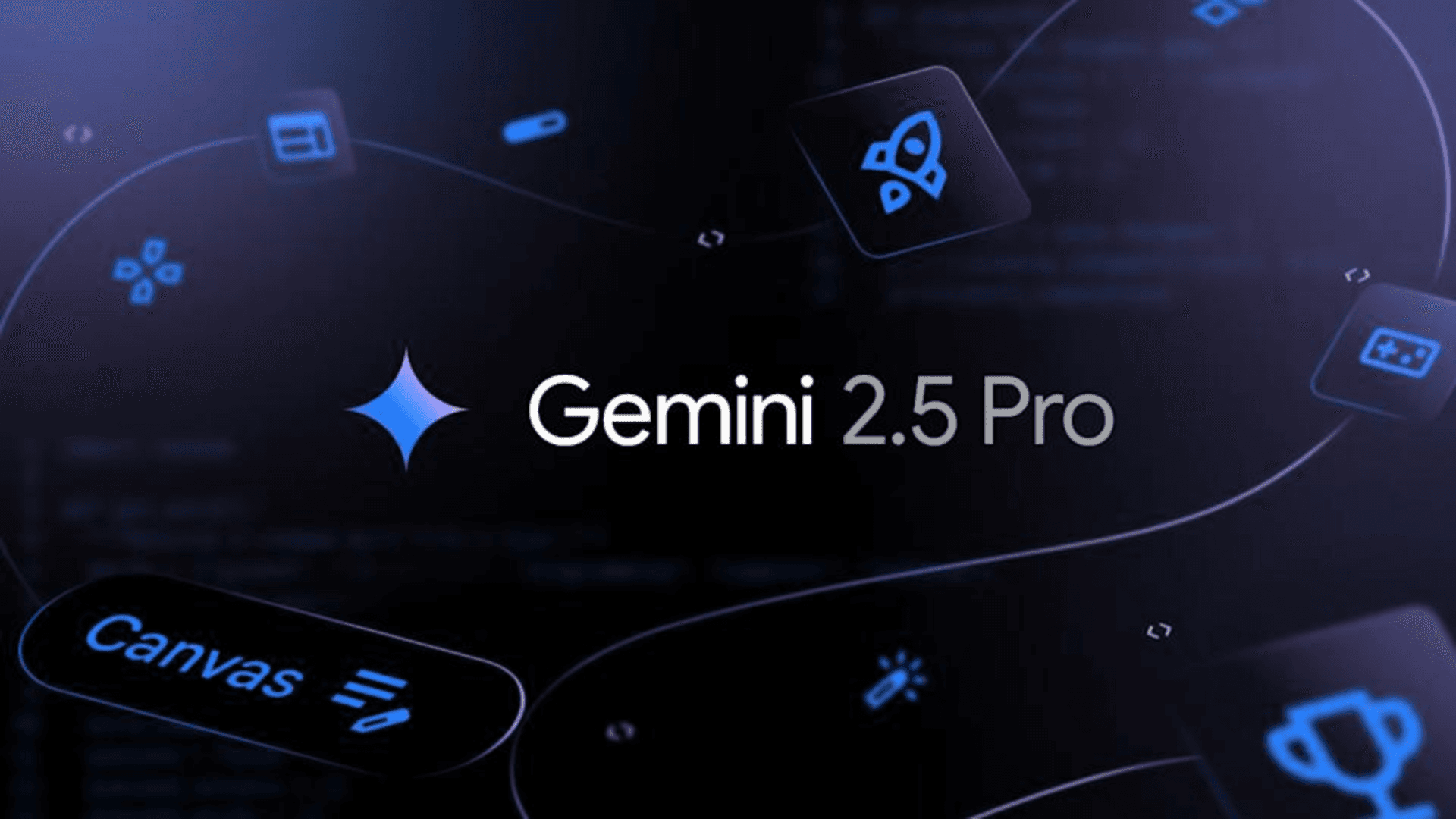
On June 17, 2025, Google unveiled its latest AI breakthroughs: Gemini 2.5 Pro and Gemini 2.5 Flash‑Lite. These two models represent the cutting edge of AI technology, designed to serve very different needs from heavy-duty reasoning and coding to lightning-fast, cost-efficient inference. Whether you’re a developer, business leader, or AI enthusiast, understanding what these models offer and how they differ will help you choose the perfect AI tool for your projects.
What Exactly Are Gemini 2.5 Pro and Flash‑Lite?
Gemini 2.5 Pro is Google’s flagship AI model, available to everyone now. It’s built for tasks that demand complex reasoning, advanced code generation, and the ability to understand multimodal data (think text, images, and more). One of its standout features is the ability to handle up to one million tokens in a single input, which is massive. Plus, users can adjust the “thinking budgets” a clever way to manage computing power so you get the best balance of speed, cost, and output quality.
On the flip side, Gemini 2.5 Flash‑Lite is still in preview but promises something different: ultra-fast, cost-effective inference optimized for high-volume jobs like classification, summarization, and real-time data streaming. While it supports up to 200,000 tokens, it’s designed to deliver quick, reliable results at a fraction of the cost.
Performance & Pricing: What’s the Real Difference?
The choice between Pro and Flash‑Lite comes down to performance needs and budget.
Gemini 2.5 Pro shines when you need deep, nuanced understanding think complex math problems, detailed code creation, or analyzing large datasets with context that spans thousands of lines. However, this comes at a premium, with pricing around $2.50 per million output tokens.
Gemini 2.5 Flash‑Lite, meanwhile, is optimized for speed and efficiency. It handles high-throughput tasks with impressive accuracy, particularly for simpler code-related tasks and quick text processing, and costs roughly $0.40 per million output tokens.
Benchmark tests reflect this split: Pro dominates in advanced reasoning and coding, while Flash‑Lite is the go-to for efficient, fast inference at scale.
Which Model Should You Choose?
Your ideal pick depends heavily on what you want to achieve:
Choose Gemini 2.5 Pro if your projects require sophisticated problem-solving, multimodal input handling, or managing long, complex text contexts. This model is perfect for AI research, complex software development, and enterprise-level AI applications.
Opt for Gemini 2.5 Flash‑Lite if you need quick results, handle large batches of simpler tasks, or must keep costs low without sacrificing too much quality. It’s excellent for real-time analytics, customer support automation, and large-scale text summarization.
Some forward-thinking companies might even combine both using Flash‑Lite for high-volume, fast processing and switching to Pro when deeper insights are necessary.
How to Get Started with Gemini 2.5 Models
Both Gemini 2.5 Pro and Flash‑Lite are accessible via Google AI Studio, Vertex AI, and the Gemini API. Developers are encouraged to test these models on their own data to see firsthand how they perform and what costs look like. With Gemini 2.5 Pro’s “thinking budgets,” you can fine-tune your AI workflows to strike the best balance between quality and expense a flexible approach that businesses will appreciate as they scale AI deployments.
Why Gemini 2.5 Is a Game-Changer for Google
Google’s introduction of Gemini 2.5 Pro and Flash‑Lite reflects a smart, strategic move in the competitive AI landscape. Offering tiered AI solutions from Pro’s power to Flash‑Lite’s efficiency positions Google to better compete with industry giants like OpenAI and Anthropic.
Moreover, these models are already powering Google products such as NotebookLM and the Google Workspace AI Pro Plan, showing they’re ready for real-world, everyday AI applications.
Final Thoughts
Google’s Gemini 2.5 lineup delivers a powerful AI toolkit with something for everyone. Whether your priority is deep, multimodal reasoning or rapid, scalable inference, Gemini 2.5 Pro and Flash‑Lite have you covered. By carefully matching the model to your task complexity and budget, you can unlock smarter, faster, and more economical AI solutions that will drive the next wave of innovation.
Ready to explore Gemini 2.5 for your own projects? The future of AI is here and it’s more flexible than ever.
You might also like
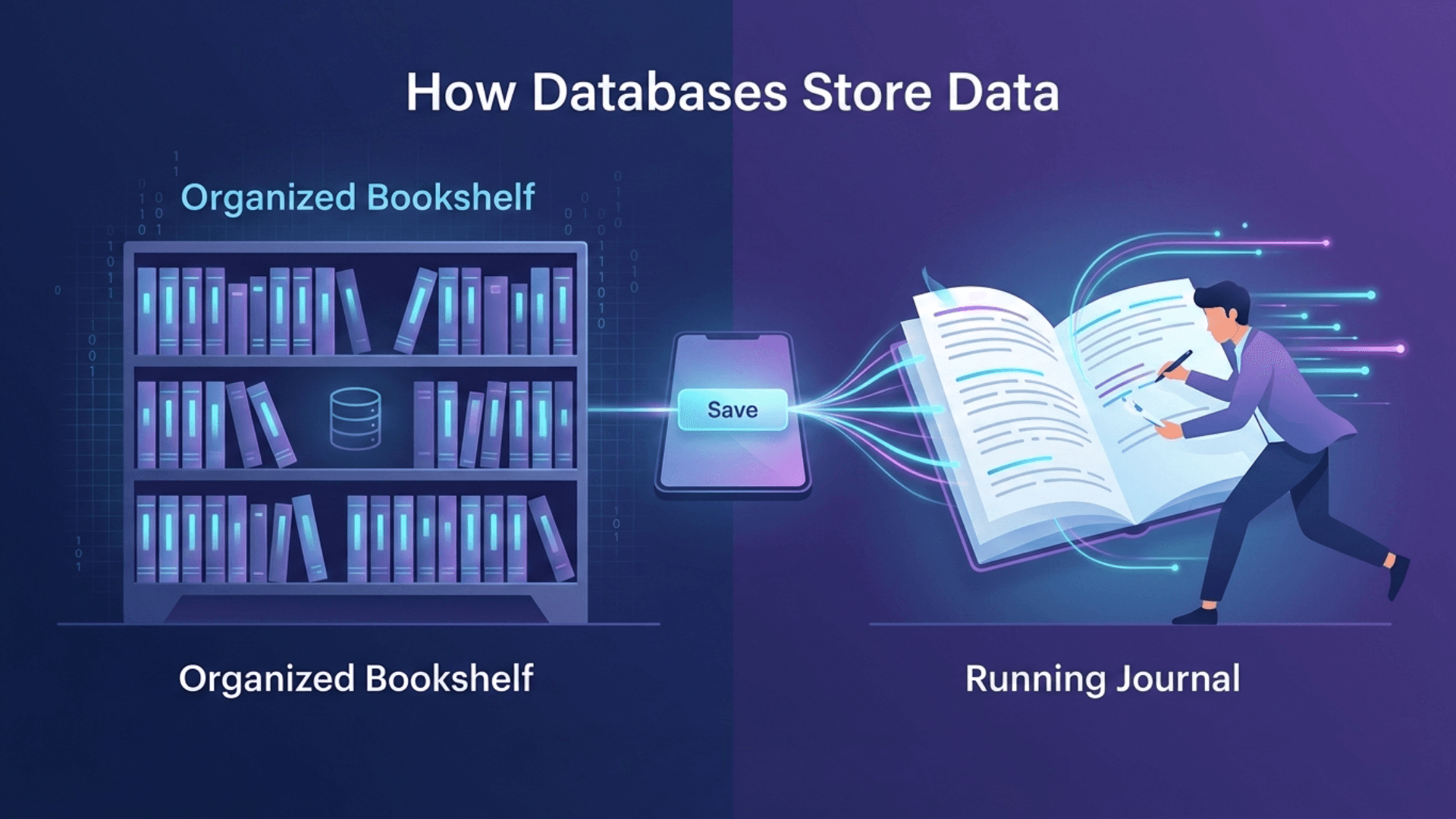
Database Storage Explained: B-Trees, LSM Trees & How Your Data Gets Saved
When you press Save, where does your data actually go? Learn how databases store information using two simple approaches — the Organized Bookshelf and the Running Journal. Easy words, real examples, no tech knowledge needed.
The Most Dangerous AI Agent on the Internet And Why 200,000 People Still Use It
An AI tool that connects to your WhatsApp, email, and files is taking over the internet. But security experts just found something alarming inside it.

What is RAG? How OpenRAG Gives AI the Right Answers
AI can't answer business questions it was never trained on. RAG fixes that. See how OpenRAG uses your own data to give accurate, real answers free and easy to set up.
Enjoy this article?
Subscribe to our newsletter to get more insights on technology, design, and the future of digital innovation.
CRTVAI
Unlock AI's full potential with expert insights from leading software innovators. Subscribe for exclusive content on ChatGPT integration, custom development solutions, and transformative technologies that deliver measurable business results.
Popular Posts
Claude Opus 4.6 vs GPT‑5.3-Codex,Two Powerful AI Models Launch on the Same Day

10 AI Companies Shaping the Future of the Middle East in 2025
Meta’s Llama AI Gains Approval for Use in US Federal Agencies