 crtvai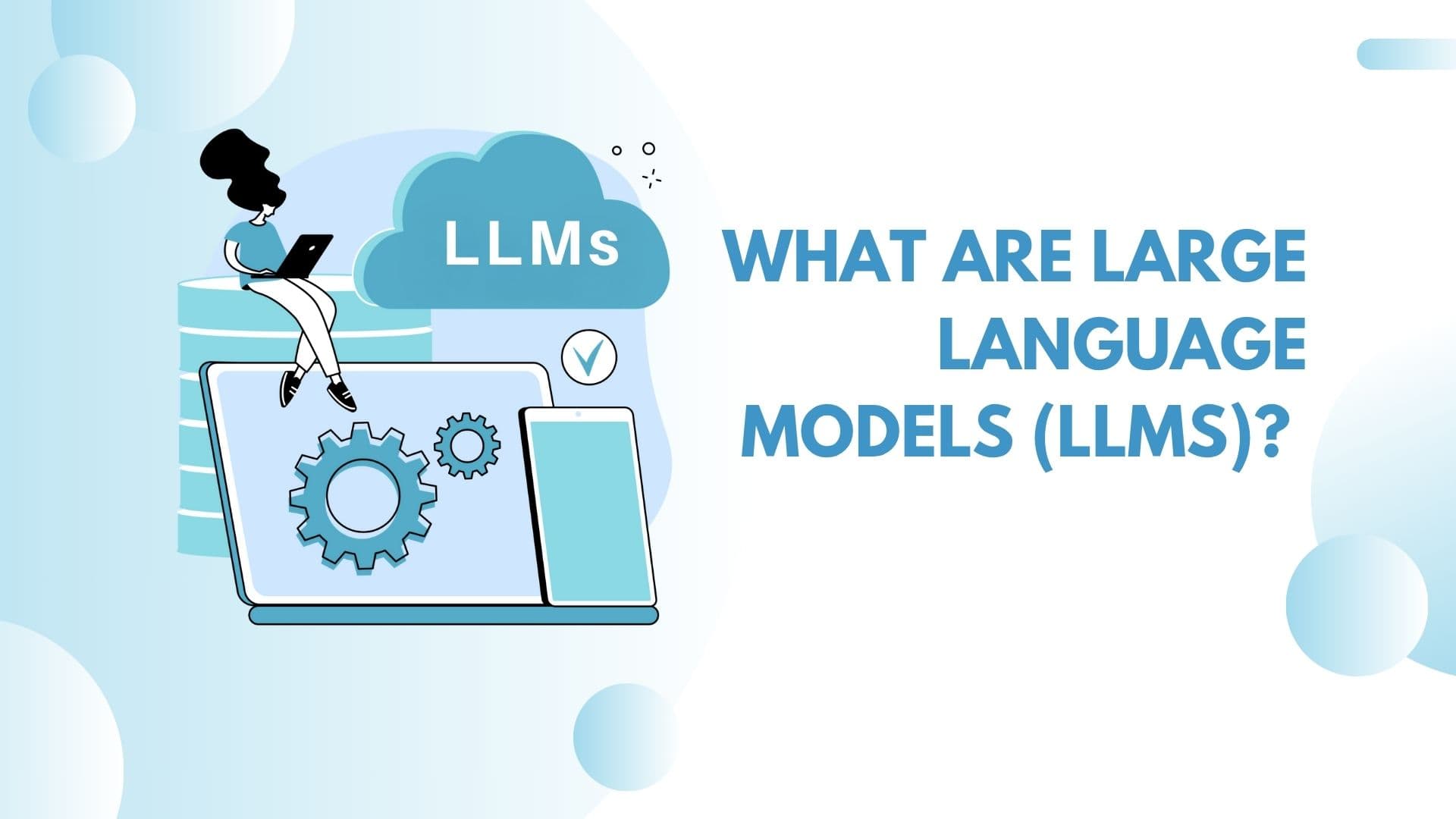
If you’ve heard about Large Language Models (LLMs) and wondered, What is the meaning of LLMs? or How do large language models work?, you’re in the right place. These smart tools are changing how businesses and people use language, and understanding them can open new doors for you.
Let’s break down what LLMs are, why they matter, the challenges they face, and how you can get started with them.
What Are Large Language Models (LLMs)?
Large Language Models, or LLMs, are computer programs designed to understand and generate human-like text. They don’t actually “think,” but they predict what word should come next in a sentence based on patterns learned from huge amounts of text data.
Imagine you start a sentence like, “The weather today is…” An LLM guesses the most likely next words, like “sunny” or “rainy,” because it has seen similar phrases many times before.
How Large Language Models Work
At their core, LLMs predict the next word in a sequence. They have been trained on tons of books, articles, websites, and conversations. By learning from all this text, they understand how words and sentences usually fit together.
Early models tried to handle sentences one word at a time but struggled with long texts because they had to compress too much information into a small summary. Then came a big breakthrough called transformers, which changed everything.
Transformers look at the whole sentence at once and decide which parts to focus on, using something called “attention.” This lets them understand context better and work faster.
Why Are Large Language Models Important?
LLMs are important because they help with many everyday tasks by understanding and generating text, such as:
Writing emails or reports
Summarizing long documents
Translating languages
Answering questions
Assisting with customer support
For businesses, large language model use cases include improving communication, automating customer service, generating ideas, and even coding.
What Are the Challenges of Large Language Models?
Despite their power, LLMs have challenges:
Limited memory: They can only handle a certain amount of text at once.
Errors or “hallucinations”: Sometimes they guess wrong and create incorrect or made-up information.
Bias: They may reflect biases found in their training data.
Complex setup: Building useful apps with LLMs takes careful design and skill, especially in writing good prompts.
Why Prompt Engineering Matters
You might wonder, How can I get the best results from LLMs? That’s where prompt engineering comes in. A prompt is the text you give to an LLM to get it started.
Because LLMs guess the next words based on your prompt, the way you phrase your question or instruction directly affects the answer you get. Learning how to write clear and precise prompts can save you time and improve the quality of results.
How Can You Get Started With Large Language Models?
Getting started with LLMs is easier than you think:
Try tools like ChatGPT or other AI chatbots to get familiar with how they respond.
Practice writing clear prompts be specific and simple.
Explore online tutorials or courses about prompt engineering.
Experiment with small business use cases like automating email replies or creating content ideas.
Consider professional help if you want to build custom applications powered by LLMs.
What Are Large Language Model Use Cases for Business?
Businesses use LLMs in many ways to save time and improve work:
Customer Support: Quickly answer questions through chatbots.
Content Creation: Generate articles, marketing copy, or social media posts.
Data Analysis: Summarize reports or extract key insights.
Programming Help: Auto-generate code snippets or find bugs.
Personal Assistants: Schedule meetings, draft emails, or manage tasks.
Final Thoughts
Large Language Models are powerful tools that help computers understand and create human language. They are not magic, but smart pattern matchers predicting the next word. Understanding how large language models work and mastering prompt engineering can unlock huge benefits for individuals and businesses alike.
Whether you’re new to AI or want to explore why large language models are important for your company, start small, practice prompts, and watch how these tools can transform your work.
You might also like
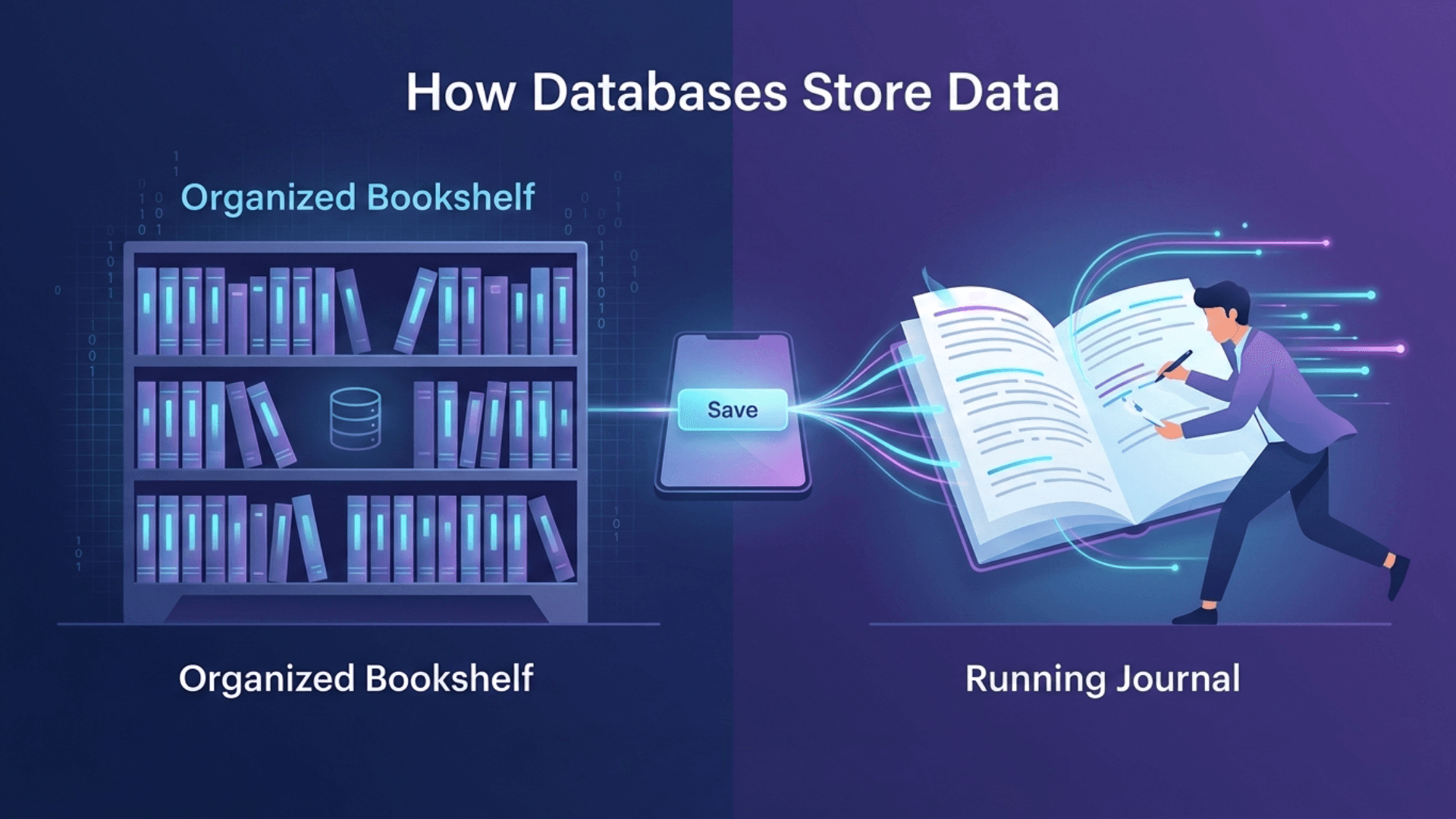
Database Storage Explained: B-Trees, LSM Trees & How Your Data Gets Saved
When you press Save, where does your data actually go? Learn how databases store information using two simple approaches — the Organized Bookshelf and the Running Journal. Easy words, real examples, no tech knowledge needed.
The Most Dangerous AI Agent on the Internet And Why 200,000 People Still Use It
An AI tool that connects to your WhatsApp, email, and files is taking over the internet. But security experts just found something alarming inside it.

What is RAG? How OpenRAG Gives AI the Right Answers
AI can't answer business questions it was never trained on. RAG fixes that. See how OpenRAG uses your own data to give accurate, real answers free and easy to set up.
Enjoy this article?
Subscribe to our newsletter to get more insights on technology, design, and the future of digital innovation.
CRTVAI
Unlock AI's full potential with expert insights from leading software innovators. Subscribe for exclusive content on ChatGPT integration, custom development solutions, and transformative technologies that deliver measurable business results.
Popular Posts

Claude Opus 4.6 vs GPT‑5.3-Codex,Two Powerful AI Models Launch on the Same Day

10 AI Companies Shaping the Future of the Middle East in 2025

Meta’s Llama AI Gains Approval for Use in US Federal Agencies