 crtvai
OpenAI has officially released its newest AI model, GPT-5, and it’s already making headlines. The company says this version is smarter, faster, and more reliable than anything they’ve built before. But what does that actually mean for you and me? Let’s break it down in simple terms.
What is GPT-5?
GPT-5 is the latest version of OpenAI’s ChatGPT technology. Think of it like a super-advanced computer brain that can understand and respond to human language.
It can:
Answer questions with more accurate information
Write better and more natural text
Understand complex topics with less confusion
Handle tricky requests like coding, research, or creative writing
OpenAI’s CEO, Sam Altman, even said GPT-5 can feel like “talking to a PhD-level expert.” That means it can give deep, detailed answers — while still sounding natural.
What’s New in GPT-5?
Compared to GPT-4, GPT-5 has:
Better reasoning skills – It can connect ideas and explain them more clearly.
More accurate facts – Fewer mistakes, though it’s still not perfect.
Faster responses – It gives answers quicker, even for complex questions.
Improved writing styles – From casual chats to professional reports, it adapts to your tone.
Why This Matters
AI is becoming a bigger part of our daily lives from search engines to customer support and creative tools. GPT-5 is another big step toward AI that can help with work, school, and problem-solving.
For businesses, it could mean faster content creation, better customer service, and smarter data analysis.
For individuals, it’s like having a personal assistant who knows a lot about almost everything.
A Word of Caution
Even though GPT-5 is a big leap forward, it’s not perfect. It can still make small errors or misunderstand some questions. OpenAI says it’s important to double-check important information and not rely on AI alone for critical decisions.
Final Thoughts
The launch of GPT-5 shows how quickly AI is evolving. Just a few years ago, chatbots could only give short, basic replies. Now, we have tools that can write essays, explain complex science, and even help run businesses.
You might also like
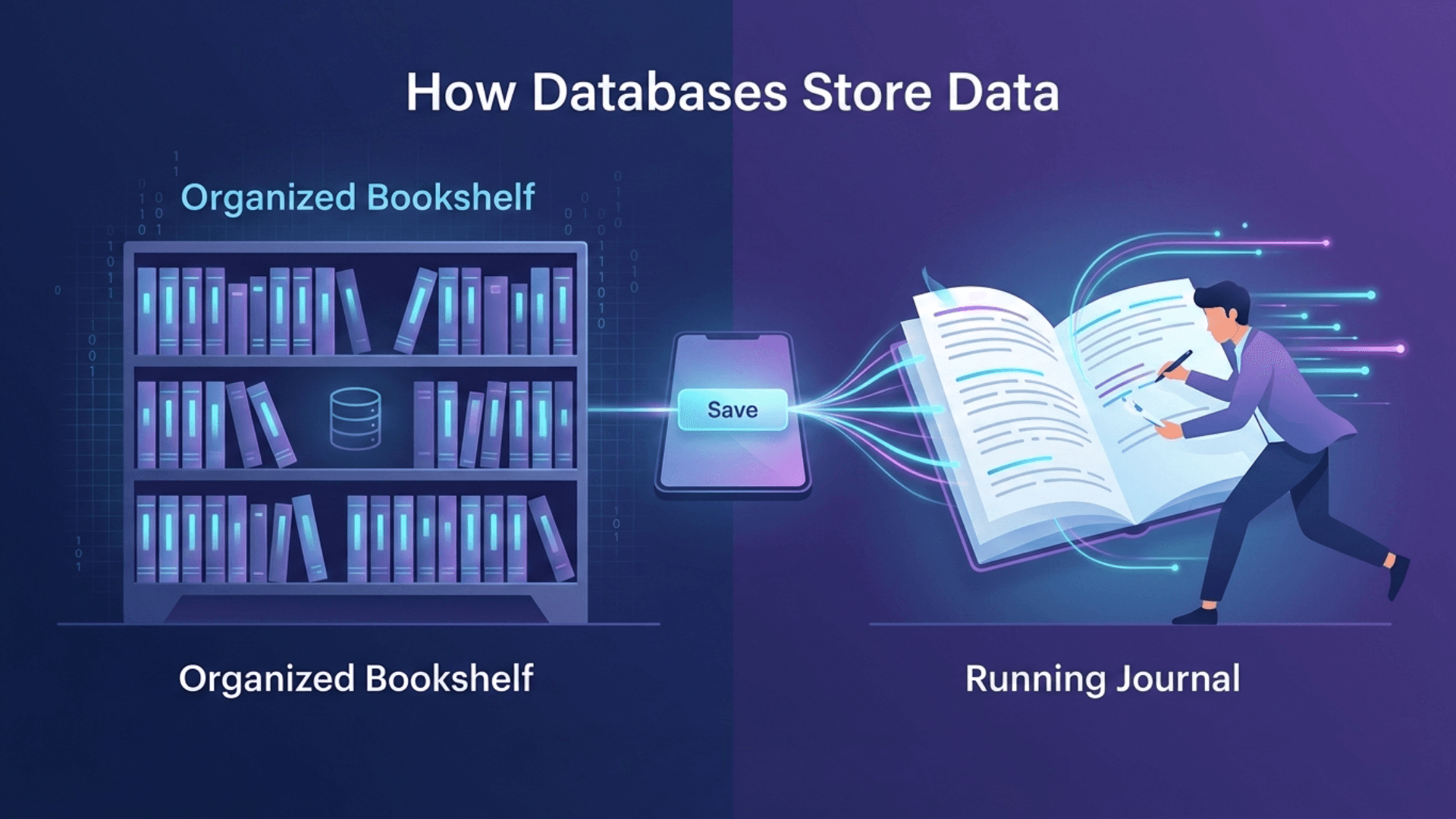
Database Storage Explained: B-Trees, LSM Trees & How Your Data Gets Saved
When you press Save, where does your data actually go? Learn how databases store information using two simple approaches — the Organized Bookshelf and the Running Journal. Easy words, real examples, no tech knowledge needed.
The Most Dangerous AI Agent on the Internet And Why 200,000 People Still Use It
An AI tool that connects to your WhatsApp, email, and files is taking over the internet. But security experts just found something alarming inside it.

What is RAG? How OpenRAG Gives AI the Right Answers
AI can't answer business questions it was never trained on. RAG fixes that. See how OpenRAG uses your own data to give accurate, real answers free and easy to set up.
Enjoy this article?
Subscribe to our newsletter to get more insights on technology, design, and the future of digital innovation.
CRTVAI
Unlock AI's full potential with expert insights from leading software innovators. Subscribe for exclusive content on ChatGPT integration, custom development solutions, and transformative technologies that deliver measurable business results.
Popular Posts
Claude Opus 4.6 vs GPT‑5.3-Codex,Two Powerful AI Models Launch on the Same Day

10 AI Companies Shaping the Future of the Middle East in 2025
Meta’s Llama AI Gains Approval for Use in US Federal Agencies