 crtvai
In the world of modern software development, The Scala Programming Language has earned a reputation for power, flexibility, and scalability. If you've ever wondered what is Scala programming language?, or what is Scala language used for, this article will answer your questions and show why Scala might be the perfect fit for your next project.
What Is Scala?
Scala stands for "Scalable Language." It was designed by Martin Odersky and first released in 2004. The name reflects its ability to scale from small scripts to large enterprise-level systems.
So, what type of programming language is Scala?
Scala is a hybrid programming language that blends:
Object-oriented programming (like Java)
Functional programming (like Haskell)
This dual nature gives developers more tools to solve problems effectively and elegantly.
What Is Scala Programming Language Used For?
If you're asking, what is Scala language used for, the answer is impressive:
Big Data Processing: Scala is the primary language behind Apache Spark, one of the most popular big data tools.
Web and Backend Development: Companies like Twitter, LinkedIn, and Coursera use Scala for building scalable back-end services.
Scientific Computing: Scala is used in genomic research and other high-performance computing applications.
Distributed Systems and Concurrency: Thanks to its functional capabilities, Scala simplifies concurrent and distributed programming.
What Makes Scala Different?
It Works Smoothly with Java
Scala runs on the Java Virtual Machine (JVM), which means it can work alongside Java code and use Java libraries. But it cuts out much of Java's wordiness.
For example, a simple "Hello World" in Java requires several lines of code with strange-looking phrases like public static void main(String[] args). Scala makes this much simpler.
Everything Has Value
In most programming languages, there's a difference between "things that do stuff" (statements) and "things that are stuff" (expressions). In Scala, everything is a value that can be assigned to a variable - even an if-statement or a loop! This makes code shorter and clearer.
Built-in Safety Features
Scala includes helpful features that prevent common coding mistakes:
Type inference: The computer often figures out what type of data you're using automatically
Null safety: Tools to avoid the crashes caused by "null pointer exceptions"
Pattern matching: A clean way to handle different possibilities in your code
Data That Stays Put
By default, data in Scala doesn't change unless you specifically say it should (using var instead of val). This "immutability" makes programs more reliable and easier to understand.
You might also like
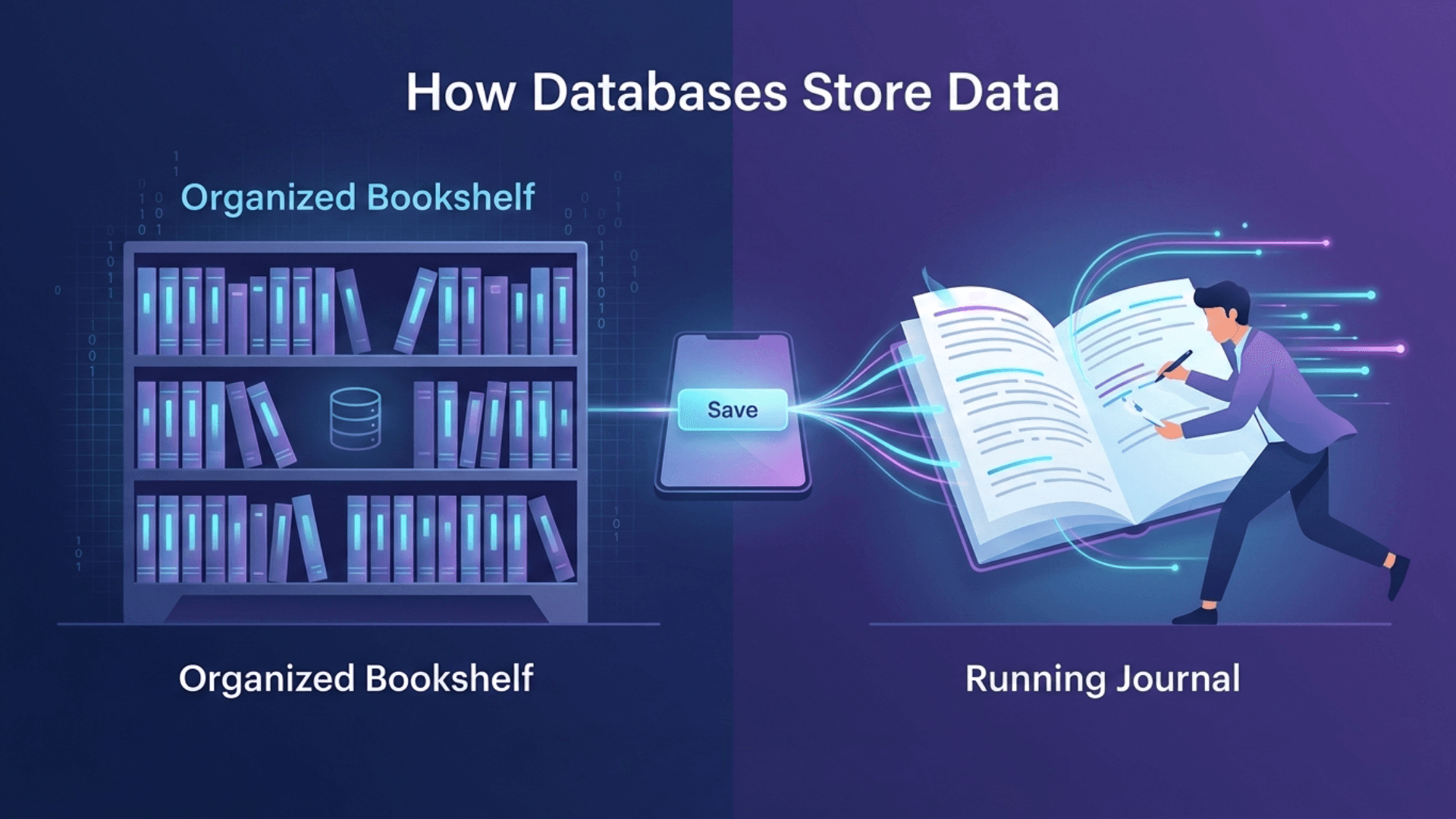
Database Storage Explained: B-Trees, LSM Trees & How Your Data Gets Saved
When you press Save, where does your data actually go? Learn how databases store information using two simple approaches — the Organized Bookshelf and the Running Journal. Easy words, real examples, no tech knowledge needed.
The Most Dangerous AI Agent on the Internet And Why 200,000 People Still Use It
An AI tool that connects to your WhatsApp, email, and files is taking over the internet. But security experts just found something alarming inside it.

What is RAG? How OpenRAG Gives AI the Right Answers
AI can't answer business questions it was never trained on. RAG fixes that. See how OpenRAG uses your own data to give accurate, real answers free and easy to set up.
Enjoy this article?
Subscribe to our newsletter to get more insights on technology, design, and the future of digital innovation.
CRTVAI
Unlock AI's full potential with expert insights from leading software innovators. Subscribe for exclusive content on ChatGPT integration, custom development solutions, and transformative technologies that deliver measurable business results.
Popular Posts
Claude Opus 4.6 vs GPT‑5.3-Codex,Two Powerful AI Models Launch on the Same Day

10 AI Companies Shaping the Future of the Middle East in 2025

Meta’s Llama AI Gains Approval for Use in US Federal Agencies