 crtvai
In today’s digital era, understanding programming languages is no longer just for tech geeks. From websites to mobile apps and AI tools, these languages form the foundation of everything we interact with online. But what exactly are programming languages, and how do they differ? This guide breaks down the most popular programming languages in a fun, simplified way even if you’ve never written a line of code!
JavaScript: The Unavoidable Friend
Created in just 10 days back in 1995, JavaScript now powers around 98% of all websites. It’s the language of interactivity responsible for everything from dropdown menus to real-time chat features.
Fun Fact: Developers often joke about JavaScript’s quirks, like the infamous error message "undefined is not a function."
Still, it's essential in modern web development, thanks to its countless frameworks like React, Vue, and Angular.
Use Cases: Web development, browser games, dynamic content
Why Learn It: Ubiquitous and beginner-friendly
Python: The Reliable Choice
Often called the "Swiss Army knife" of coding, Python is beloved for its simplicity and readability. It's used in everything from web development and automation to artificial intelligence and data science.
Did You Know?: Python developers famously argue over using tabs or spaces in code yes, it’s a real debate.
Use Cases: Machine learning, web apps, automation
Why Learn It: Easy syntax, huge community, and versatile
Java: The Business Professional
Java, developed in 1995, is known for its "write once, run anywhere" philosophy. While not always perfect in execution, Java remains a go-to for enterprise applications and Android development.
Joke Alert: Your laptop fans spinning loudly? It’s probably Java.
Use Cases: Android apps, large-scale systems
Why Learn It: Cross-platform capabilities and enterprise demand
C++: The Powerful Veteran
If performance is critical, C++ is often the answer. It’s a complex but powerful language, used for developing games, operating systems, and other high-performance applications.
Warning: One missing semicolon can crash your entire program. Proceed with care!
Use Cases: Game engines, real-time systems
Why Learn It: Speed, control, and legacy importance
C#: The Modern Alternative
Developed by Microsoft in 2000, C# (C-sharp) is like Java’s cooler, younger sibling. It's popular for developing Windows software and Unity-based games.
Fun Analogy: C# is like a retired rockstar who now writes polished code in peace.
Use Cases: Windows apps, Unity game development
Why Learn It: Integration with Microsoft tools and ease of use
PHP: The Web Veteran
PHP started as a simple tool for personal websites and grew into the backbone of about 75% of server-side web applications, including platforms like WordPress and Facebook (in its early days).
Fun Fact: The name "PHP" is a recursive acronym PHP: Hypertext Preprocessor.
Use Cases: Server-side scripting, content management systems
Why Learn It: Simple to start, rich documentation
Ruby: The Elegant Approach
Created in Japan in 1995, Ruby emphasizes developer happiness and beautiful code. With the Ruby on Rails framework, it revolutionized web app development in the 2000s.
Why It Stands Out: Ruby code often reads like English, making it beginner-friendly and aesthetically pleasing.
Use Cases: Web apps, startups
Why Learn It: Rapid development, supportive community
Go: Google's Simple Solution
Also known as Golang, this modern language was designed by Google to address issues with concurrency and complexity in large-scale applications.
Mascot: A gopher fitting, since Go helps you “dig deep” into performance.
Use Cases: Cloud services, backend systems
Why Learn It: Simple syntax, super-fast performance
Rust: The Safe and Fast Option
Rust is the language developers love for its memory safety and high performance a rare combination. It’s gaining traction in systems programming and secure applications.
Compiler Humor: Rust's compiler is strict think of it as your tough-love teacher who never misses a mistake.
Use Cases: Operating systems, security-sensitive software
Why Learn It: Safety, speed, and modern language design
Swift: Apple’s Language of Choice
Released in 2014, Swift replaced Objective-C as the preferred language for developing iOS and macOS apps.
Analogy: Switching to Swift is like finally getting a spoon after trying to eat soup with a fork.
Use Cases: iOS and macOS app development
Why Learn It: Cleaner syntax and faster development for Apple platforms
Final Thoughts: Why Understanding Programming Languages Matters
Whether you're curious about how your favorite apps work or considering a career in tech, understanding programming languages simplified gives you a huge advantage. Each language has its strengths, quirks, and unique personality, much like the developers who use them.
By exploring these languages, you're not just learning to code—you're unlocking the tools behind the modern digital world.
You might also like
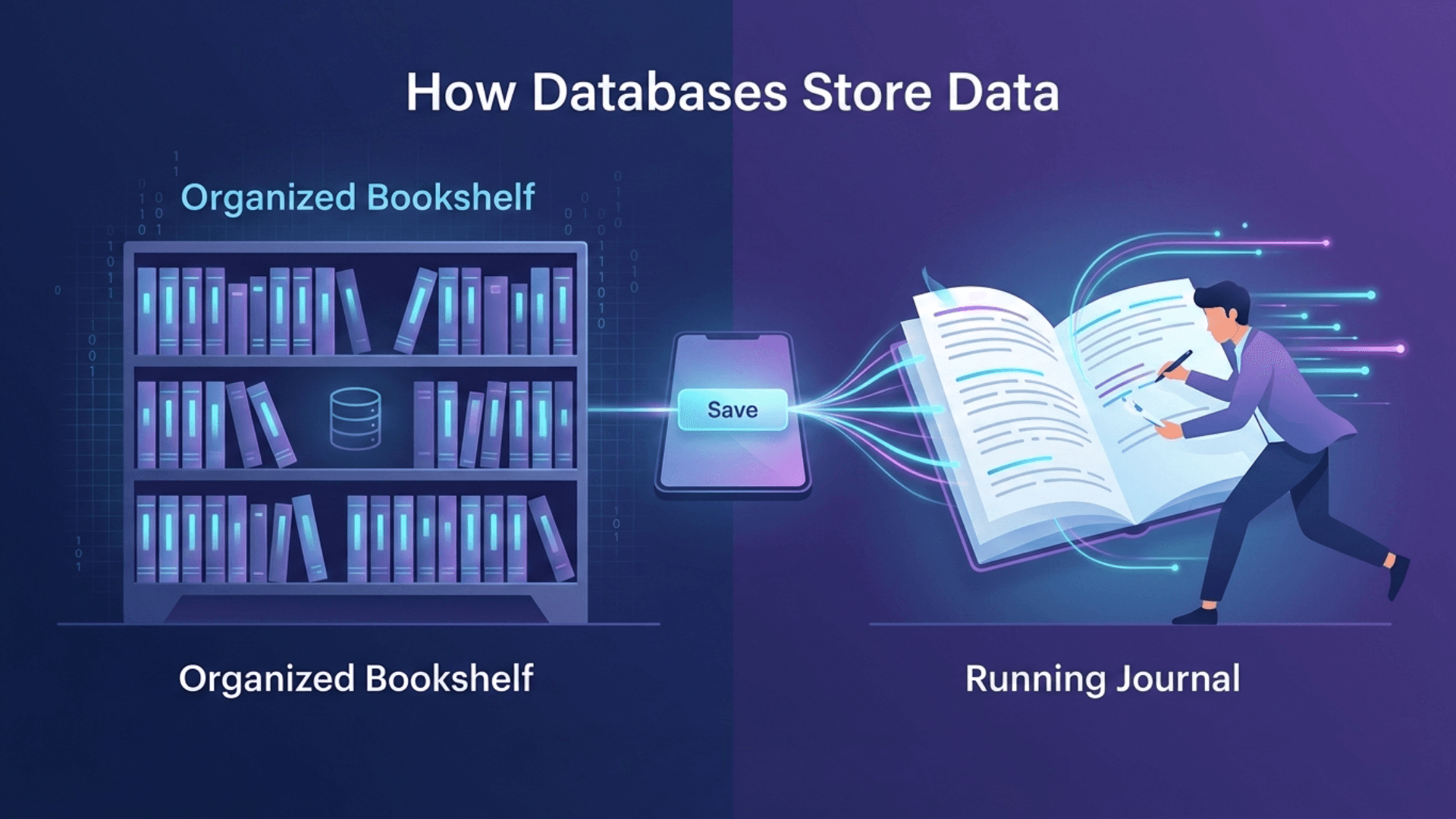
Database Storage Explained: B-Trees, LSM Trees & How Your Data Gets Saved
When you press Save, where does your data actually go? Learn how databases store information using two simple approaches — the Organized Bookshelf and the Running Journal. Easy words, real examples, no tech knowledge needed.
The Most Dangerous AI Agent on the Internet And Why 200,000 People Still Use It
An AI tool that connects to your WhatsApp, email, and files is taking over the internet. But security experts just found something alarming inside it.

What is RAG? How OpenRAG Gives AI the Right Answers
AI can't answer business questions it was never trained on. RAG fixes that. See how OpenRAG uses your own data to give accurate, real answers free and easy to set up.
Enjoy this article?
Subscribe to our newsletter to get more insights on technology, design, and the future of digital innovation.
CRTVAI
Unlock AI's full potential with expert insights from leading software innovators. Subscribe for exclusive content on ChatGPT integration, custom development solutions, and transformative technologies that deliver measurable business results.
Popular Posts
Claude Opus 4.6 vs GPT‑5.3-Codex,Two Powerful AI Models Launch on the Same Day

10 AI Companies Shaping the Future of the Middle East in 2025

Meta’s Llama AI Gains Approval for Use in US Federal Agencies